Outdoor stations
The part that is mounted by the door
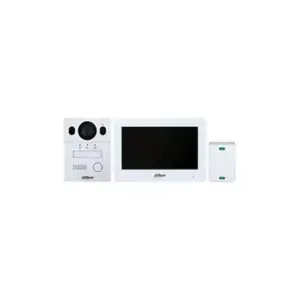
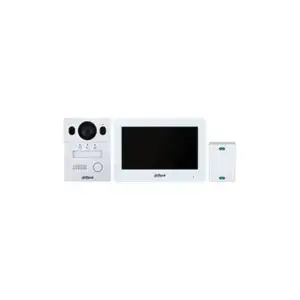
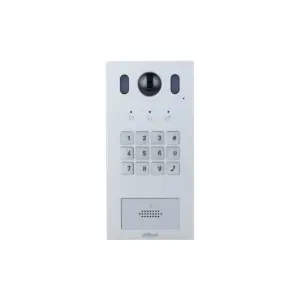
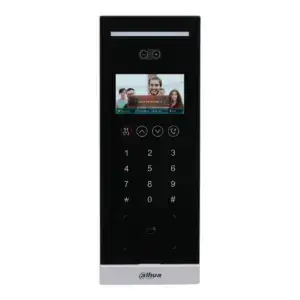
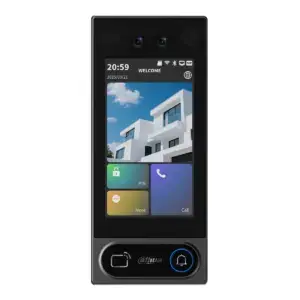
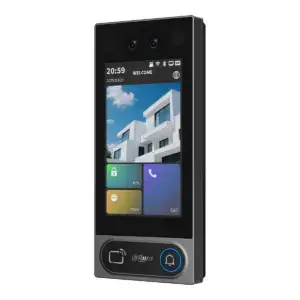
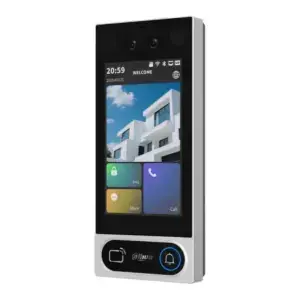
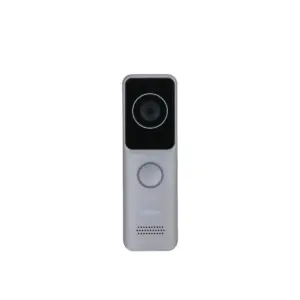
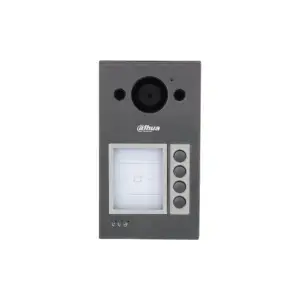
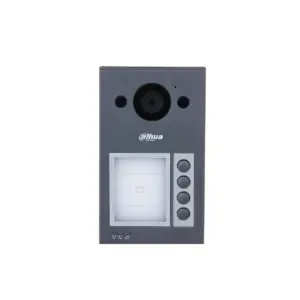
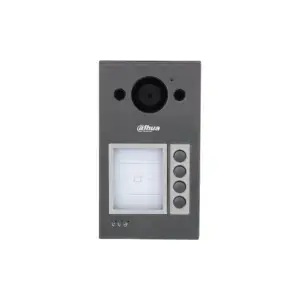
Where the visitor rings the bell, with camera and microphone. Often also with a card, code or facial recognition, so that residents can get in without a key.
For two wires, network cable with PoE or Wi-Fi, surface-mounted and flush-mounted.
Showing all 21 results
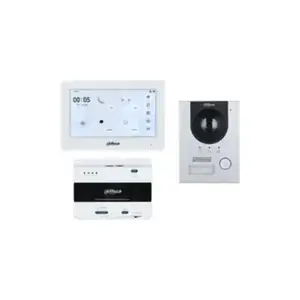
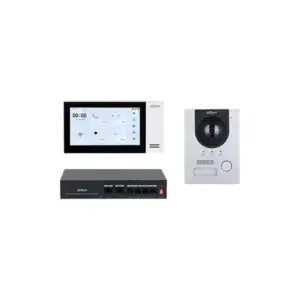
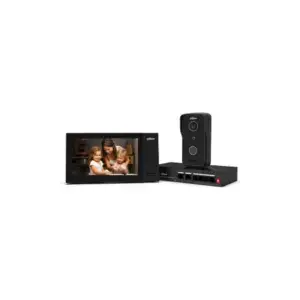
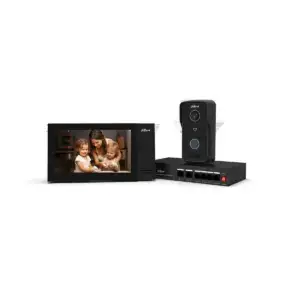
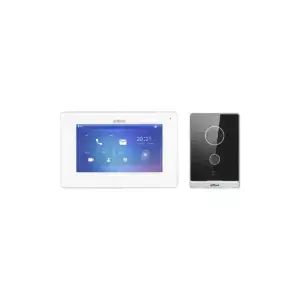
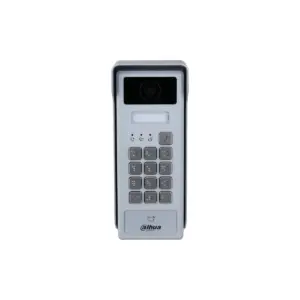
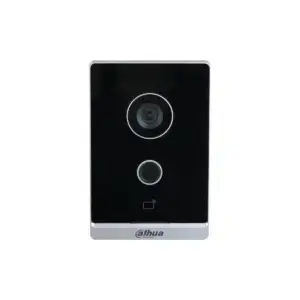
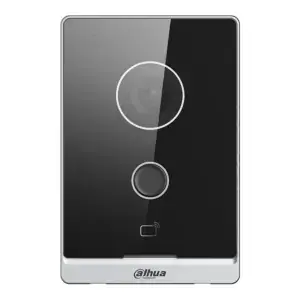
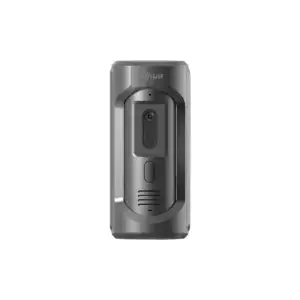
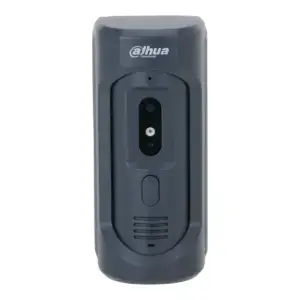
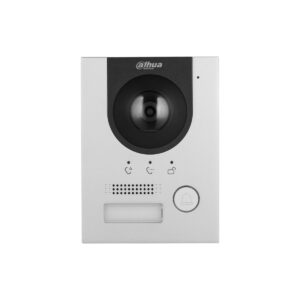

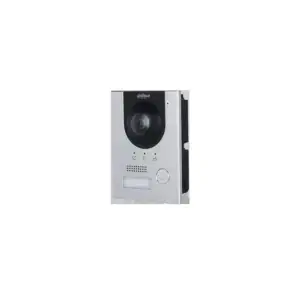
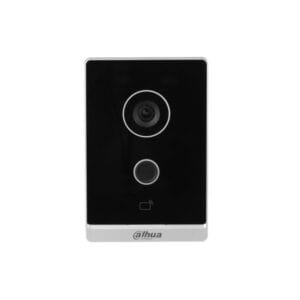
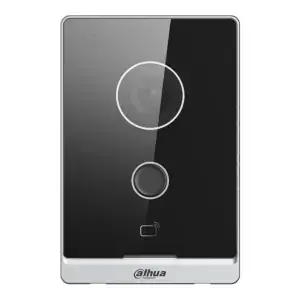
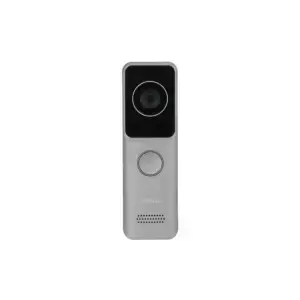
Showing all 21 results
Outdoor stations
The part that is mounted by the door
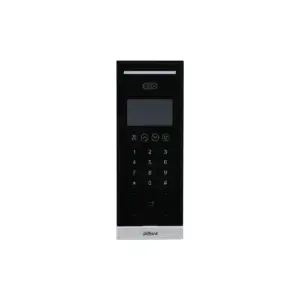
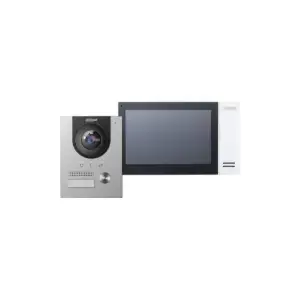
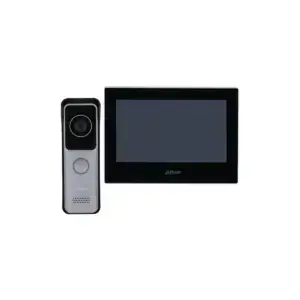
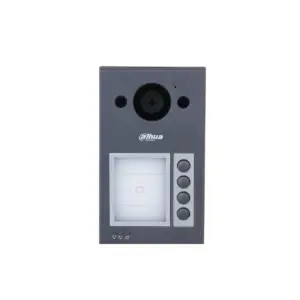
The outdoor station is where the visitor rings the bell. It contains a camera and a microphone, and increasingly also a way to get in yourself: with a card, a code or facial recognition.
If you want to build an outdoor station from separate components, for example because there are several homes behind it, see the modular intercom.
Connection
What the cable decides
As with the indoor station, the cabling determines your choice. Most outdoor stations support several methods:
- Two wires: power and video over two cores, via the 2-wire switch. Up to 50 metres between the switch and the station.
- Network cable with PoE: power over the same cable, in accordance with 802.3af or 802.3at.
- Separate power supply: 12 or 48 volts DC, if there is a cable but no PoE.
Note a common mistake: the network ports of a 2-wire switch do not provide PoE themselves. If there is a network cable to the front door and you use a 2-wire system, you use two cores of that cable as the 2-wire connection (up to 30 metres, solid core), or you add a PoE injector.
How many doorbells
One home or several
For a single-family home, a station with one call button is sufficient. If several homes share the same front door, you need one button per home, or a station with a name list on the screen.
With more than a few homes, a modular setup becomes more practical: you choose how many call buttons it gets and can expand later.
Access
Getting in without a key
Besides ringing the bell, the outdoor station can also serve as an access point for residents. What is possible differs per model:
- Card or tag: a card reader for IC or ID cards, the most common type
- Code: numeric code on a keypad or touchscreen, useful for temporary access
- Face: recognition with two lenses, so a photo is not enough
- Bluetooth: phone in your pocket, door open without taking it out
An electric door opener is needed for the lock itself. The outdoor station can control it, but it is not included with the product.
Mounting
Surface-mounted, flush-mounted and weather exposure
The stations are made for outdoor use, generally with IP65 for dust and water resistance. Note that this rating only applies if the housing is sealed with silicone sealant during installation; this is stated in the manual and is easily overlooked.
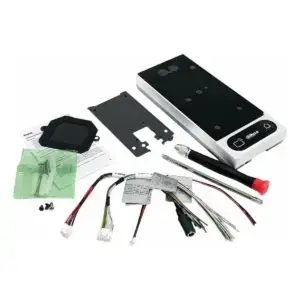
Surface-mounted means the station goes on the wall, flush-mounted means it sits flush in the wall. Both need their own housing. If the station is exposed to the weather without a canopy above it, choose a rain cover; it is listed under the accessories.
Questions
Frequently asked questions
What is the difference from a video doorbell?
A video doorbell sends the image to your phone and nothing more. An outdoor station is part of an intercom system: an indoor station is added, you can control the door and you can manage access with cards or codes. For just a bell at the front door, a video doorbell is cheaper and simpler.
Does it come with a door opener?
No. The outdoor station can control an electric lock and has an output for it, but you buy the lock itself separately. If you do not know which type fits, tell us what kind of door it is.
Does it also work during a power cut?
No, a video intercom needs power. If you want the door to remain openable during a power failure, keep a mechanical key at hand or have an emergency power supply included in the design.
Can I reuse my old cabling?
Often yes, provided it concerns two cores and the distance stays within 50 metres. Give us the length and the cable type, and we will check whether it is feasible and which system fits.
What about the privacy of the camera?
An outdoor station films whoever is standing at your door. Point it at your own property and not at the public road or your neighbours’ garden. If the system records images, inform visitors with a sign.