Modular intercom
Build your own outdoor station
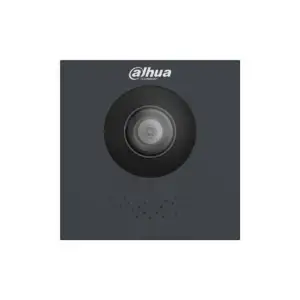
Build a door station from individual modules: a camera module, as many call buttons as there are homes, and whatever you need in the way of card reader, code panel or nameplate.
Particularly useful for several homes behind the same front door, and for buildings that expand later.
Showing 1–30 of 76 results
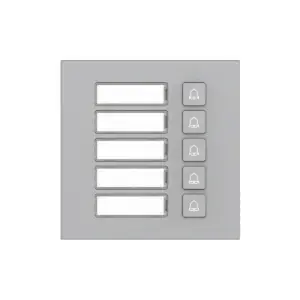
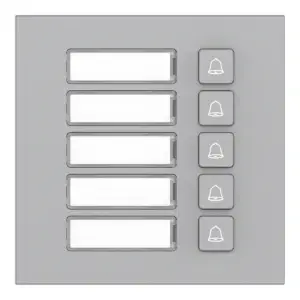
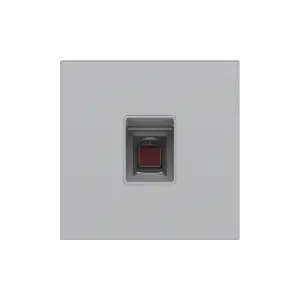
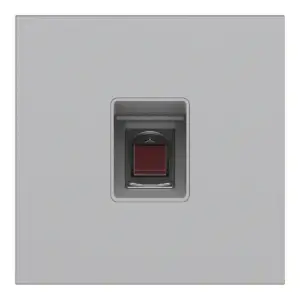





Showing 1–30 of 76 results
Modular intercom
Build your own outdoor station
With a modular system you do not buy a ready-made outdoor station, but build it yourself from individual blocks: a camera module, as many call buttons as there are homes, and whatever else you need in the way of card reader, code panel or nameplate.
This is mainly of interest for several homes behind the same front door, and for buildings where residents are added later. For a single home, a complete outdoor station is simpler and cheaper.
Surface-mount
You always need three things
A modular setup consists of three parts that you order separately:
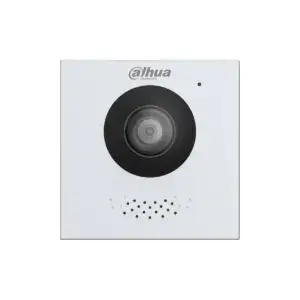
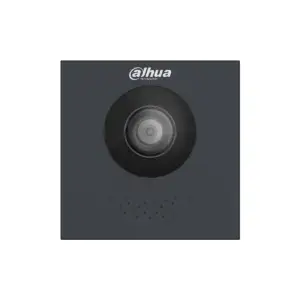
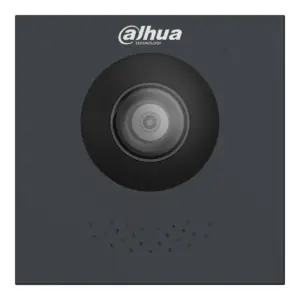
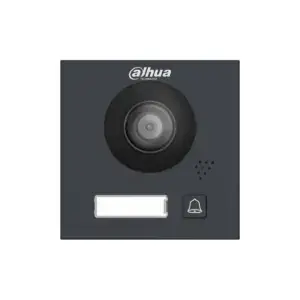
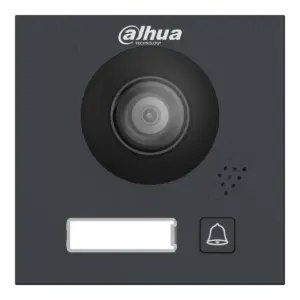
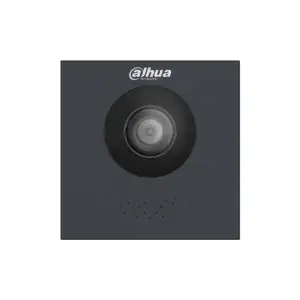
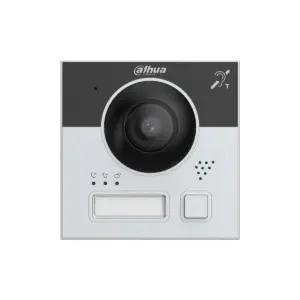
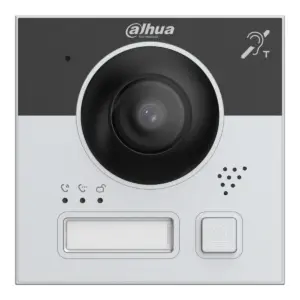
- Main module: the module with the camera, microphone and the connection to the system. Every setup starts with this.
- Modules: call buttons, card reader, code panel, nameplate. As many as you need, side by side or one below the other.
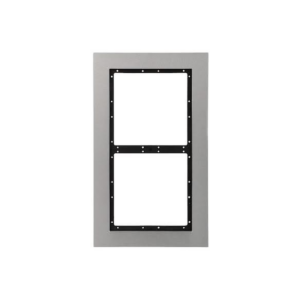
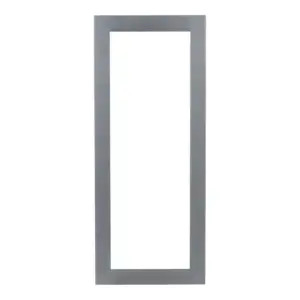
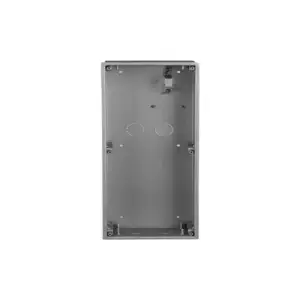
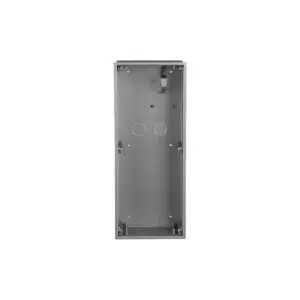
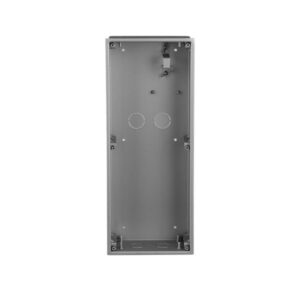
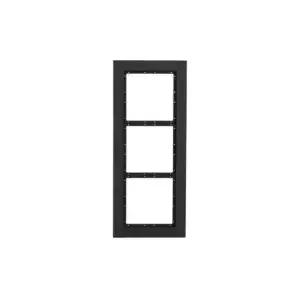
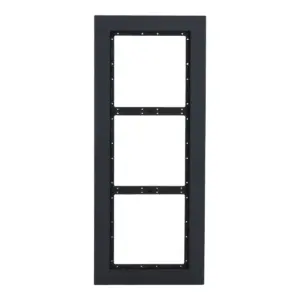
- Housing: the box that holds everything, in the right number of units. For surface or flush mounting, with or without rain cover.
So first count how many modules your setup will have, because that determines the housing you choose. A main module with two call buttons and a nameplate is three units.
The modules
What you can choose from
The letters after the model code indicate what the module does:
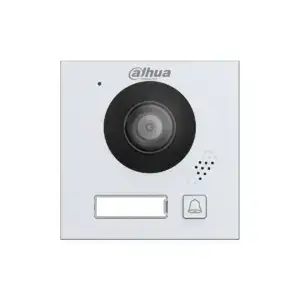
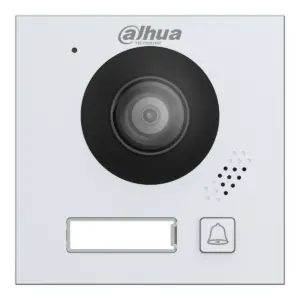
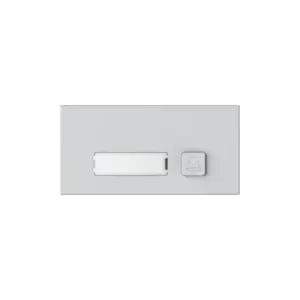
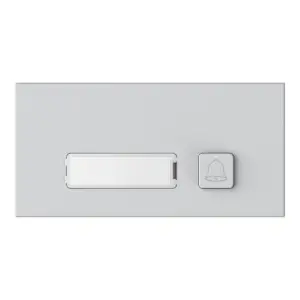
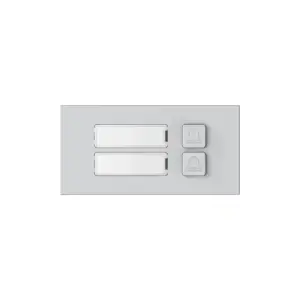
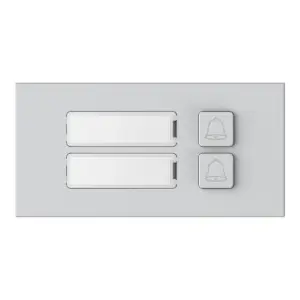
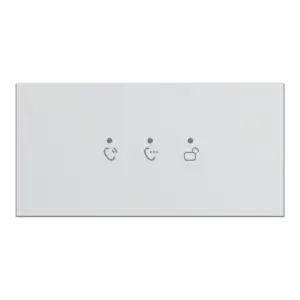
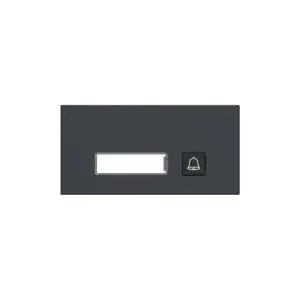
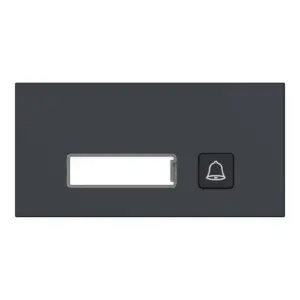
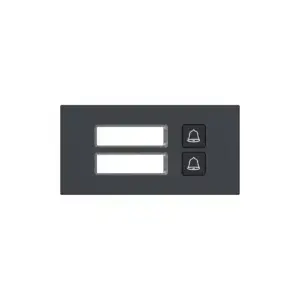
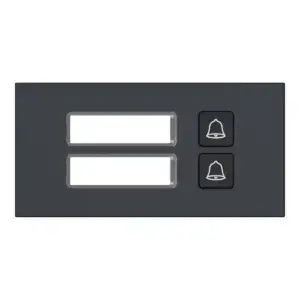
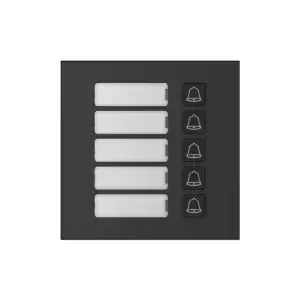
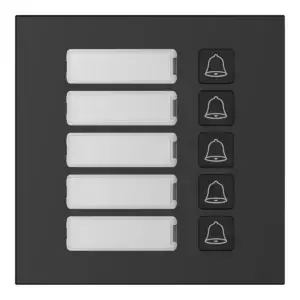
- MB1, MB2, MB5: call buttons with 1, 2 or 5 buttons
- MDB2, MDB4, MDB10: call buttons with 2, 4 or 10 buttons on a half module
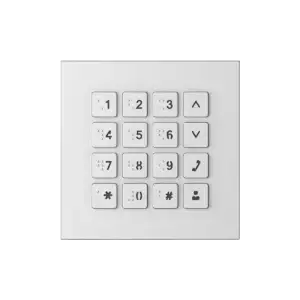
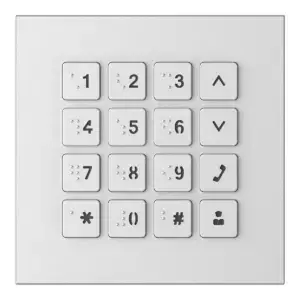
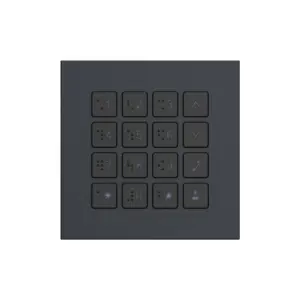
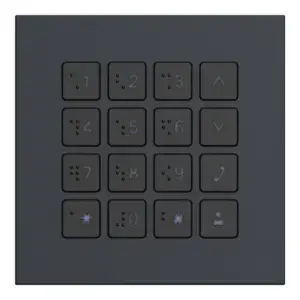
- MK: keypad for a numeric code
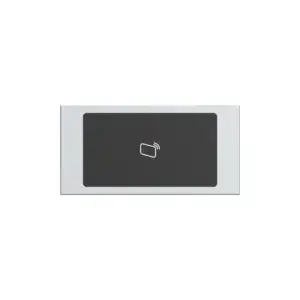
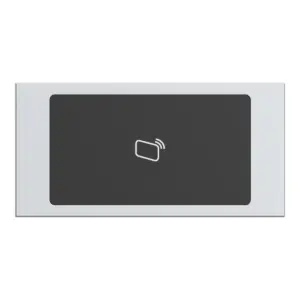
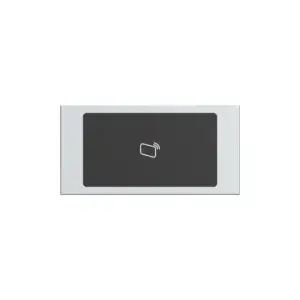
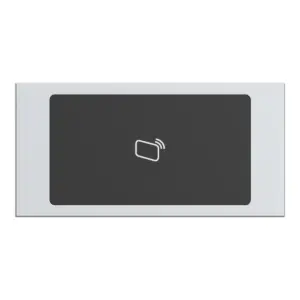
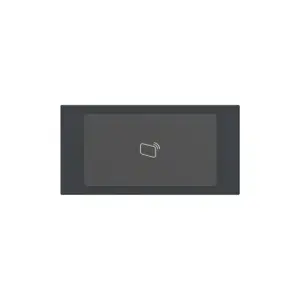
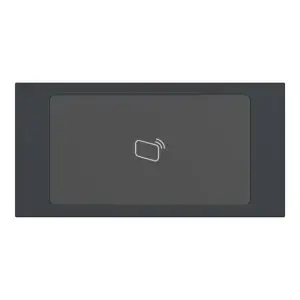
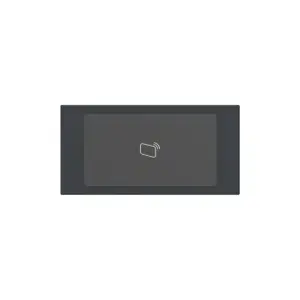
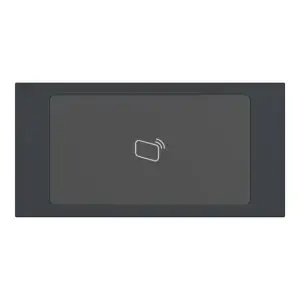
- MR and MR1: card reader, the MR for IC cards at 13.56 MHz and the MR1 for ID cards at 125 kHz
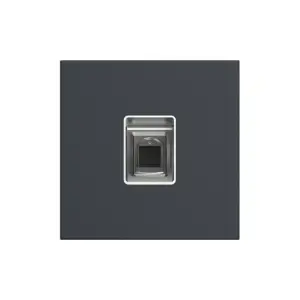
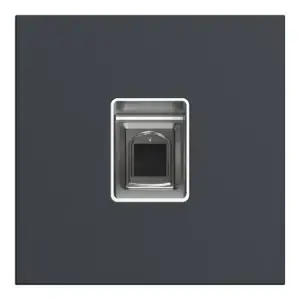
- MF: fingerprint reader
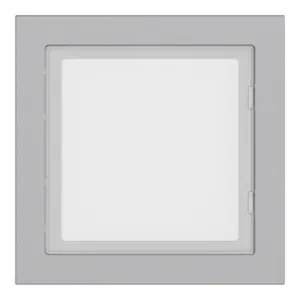
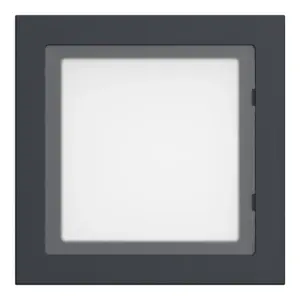
- MI: info module: a window in which you place names or instructions yourself
- MS and ML: display module and indicator module
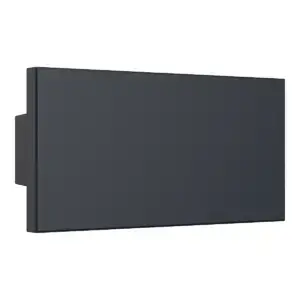
- MN: blank plate, to neatly close off a slot in the housing
The modules receive their power from the main module via the small cables between them, so you do not need to connect them separately.
Colour
Silver or black, as shown by the model code
Every module comes in two versions. You can tell by the letter in the code: if there is a B after the F, it is the black one. A VTO4202F-MB2 is therefore silver and a VTO4202FB-MB2 is black.
Stick to one colour within a setup, and make sure the housing and the rain cover are in the same colour. These are supplied separately and have their own model codes.
Connecting
Two wires or network
The main module determines how the setup communicates with the rest of the system. Most can work over either two wires or a network cable with PoE, so you can follow the existing cabling.
If you use two wires, a 2-wire switch goes in the meter cupboard, providing power and signal. It is listed together with the power supplies under accessories.
Questions
Frequently asked questions
How many modules fit in one housing?
That depends on the housing; there are versions for 1, 2, 3, 4 and 6 modules, and for two rows side by side. Count your setup and choose accordingly. Keep a slot free if you want to expand later, or close it off with a blank plate.
What if I have a slot left over?
You fit a blank plate, the MN, in it. If you would rather use that space, the info module is a neat option: it holds the residents' names or instructions for visitors.
Can I add a module later?
Yes, as long as there is space in the housing. If the housing is full, it must be replaced with a larger one. It is therefore wise to keep one unit free when first building the setup.
Is the housing included with the modules?
No, you order it separately, as with the rain cover. When ordering, pay attention to the number of units and the colour.
How many homes can I connect?
The number of call buttons determines how many parties can ring the bell; with the ten-button module you get a long way. On the system side the limit of the 2-wire switch applies: twenty indoor stations and two outdoor stations per switch, and up to ten switches connected together.