AirShield Input Expander: making a wired detector wireless
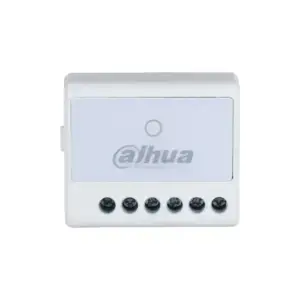
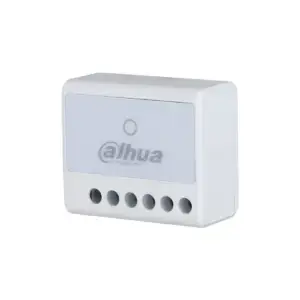
With the AirShield Input Expander you can make an existing wired detector wireless in no time. This lets you bring a sensor you already have into your AirShield system, without chiselling or new cables.
You connect 1 wired detector to the dry contact input. The module sends the signal wirelessly to your AirShield hub on 868 MHz. In the DMSS app you choose the alarm type yourself and you see notifications for tampering or a flat battery.
Why the AirShield Input Expander
Wired becomes wireless
Connect 1 existing wired detector via the dry contact input (NO or NC) and pair it wirelessly with your hub, without new cabling.
Six configurable alarm types
Choose the right type for each detector: intrusion, medical, fire, emergency, gas or tamper, so the hub and the app respond in the right way. With signal strength detection and a test mode for a reliable installation.
Encrypted and stable
Two-way communication on 868 MHz with AES128 and frequency hopping, so the connection stays stable, even with heavy wireless traffic.
Years on one battery
Runs on 1 CR123A battery, up to approximately 4 years with an NO input, with a notification when the battery is almost empty.
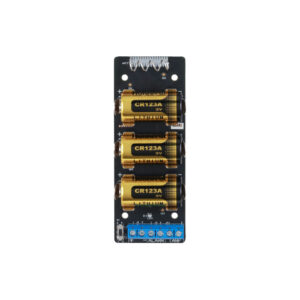
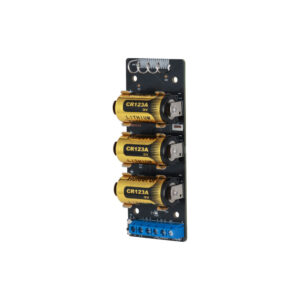
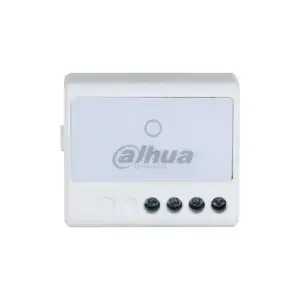
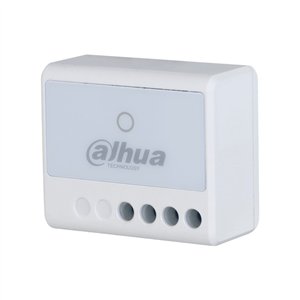
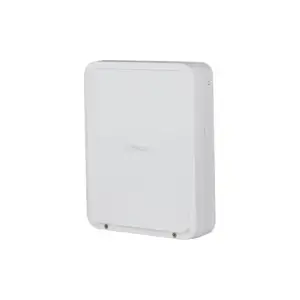
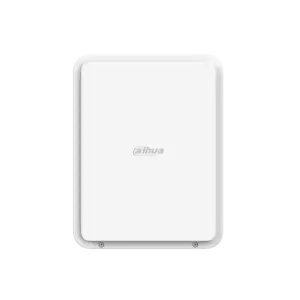
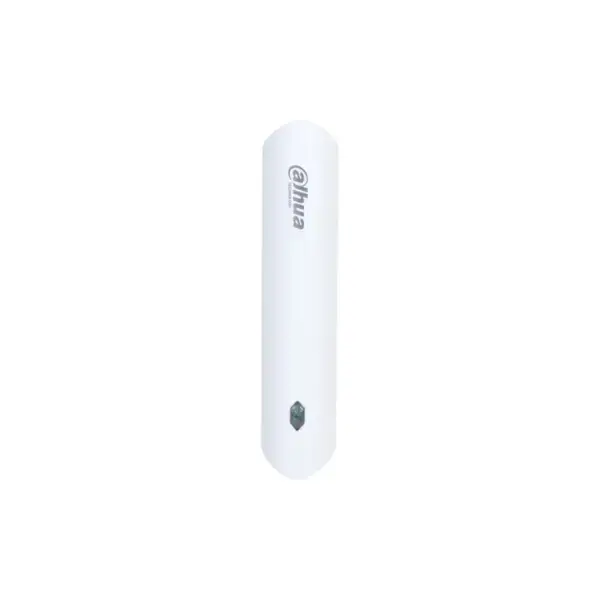
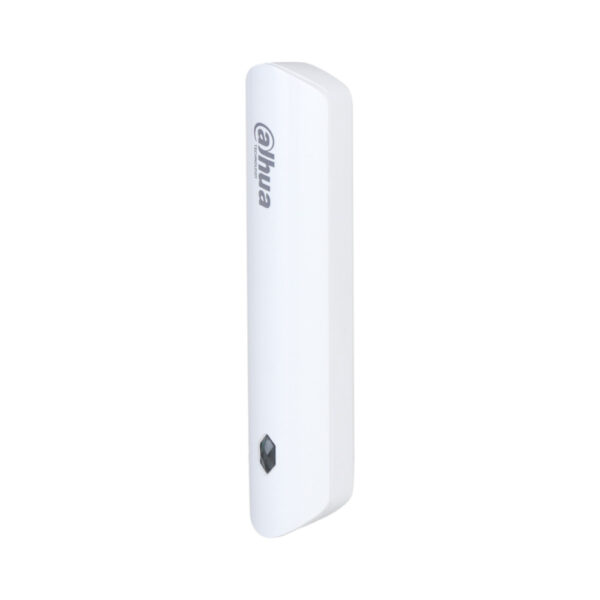
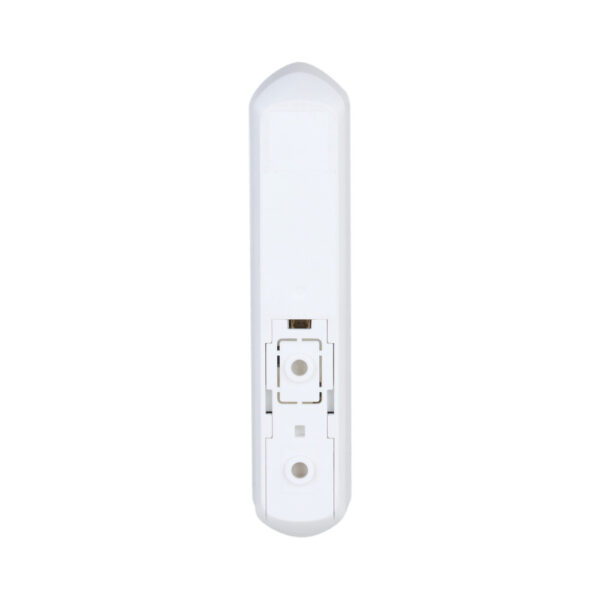
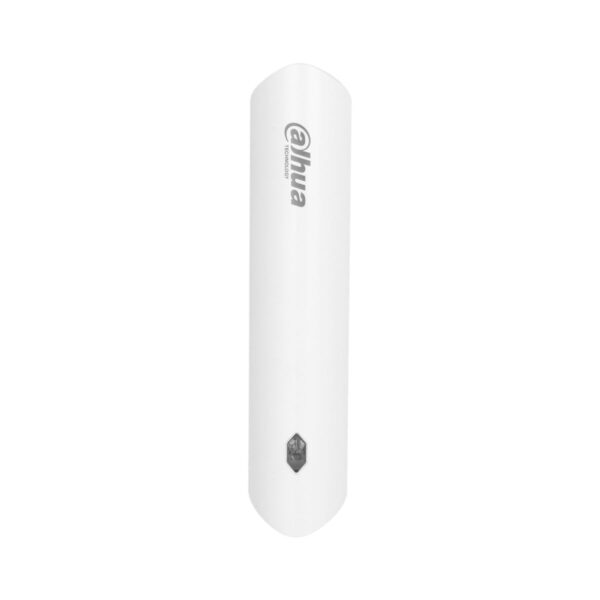
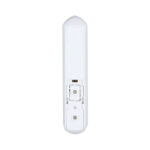
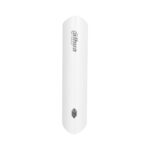
Product photos
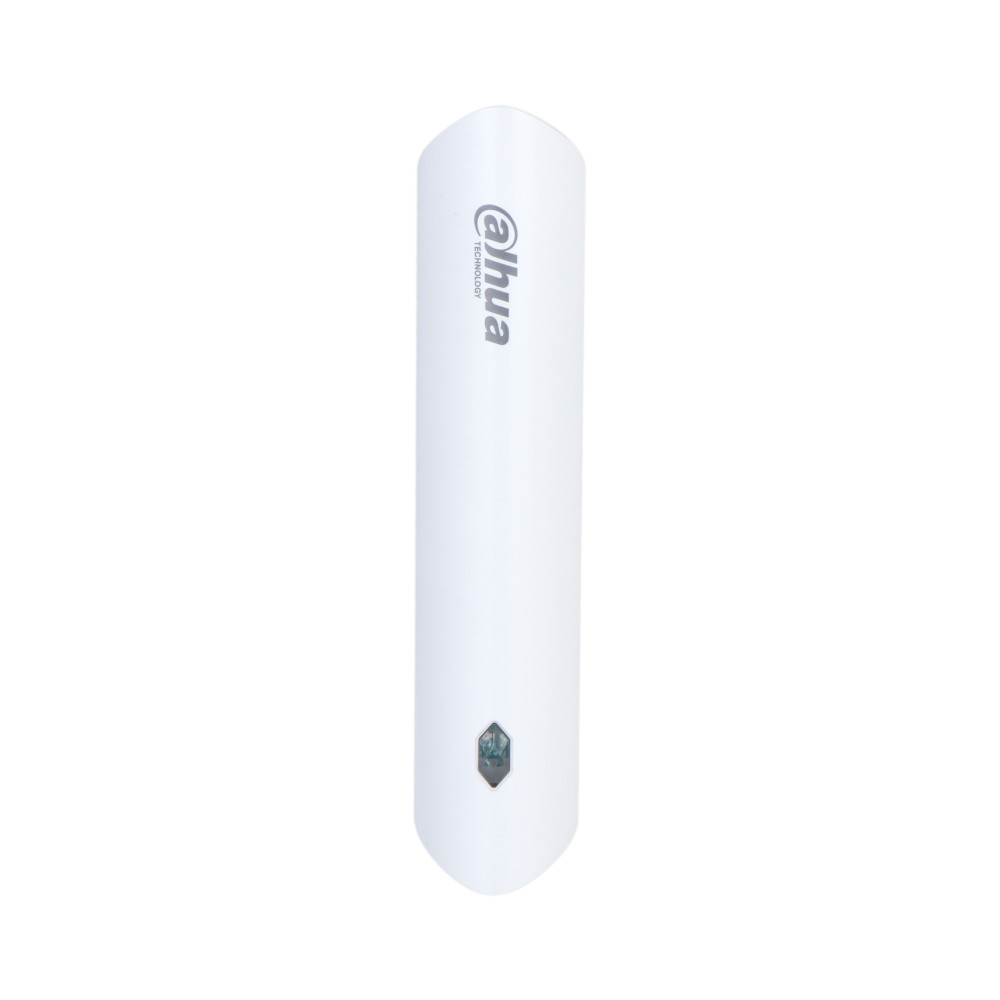
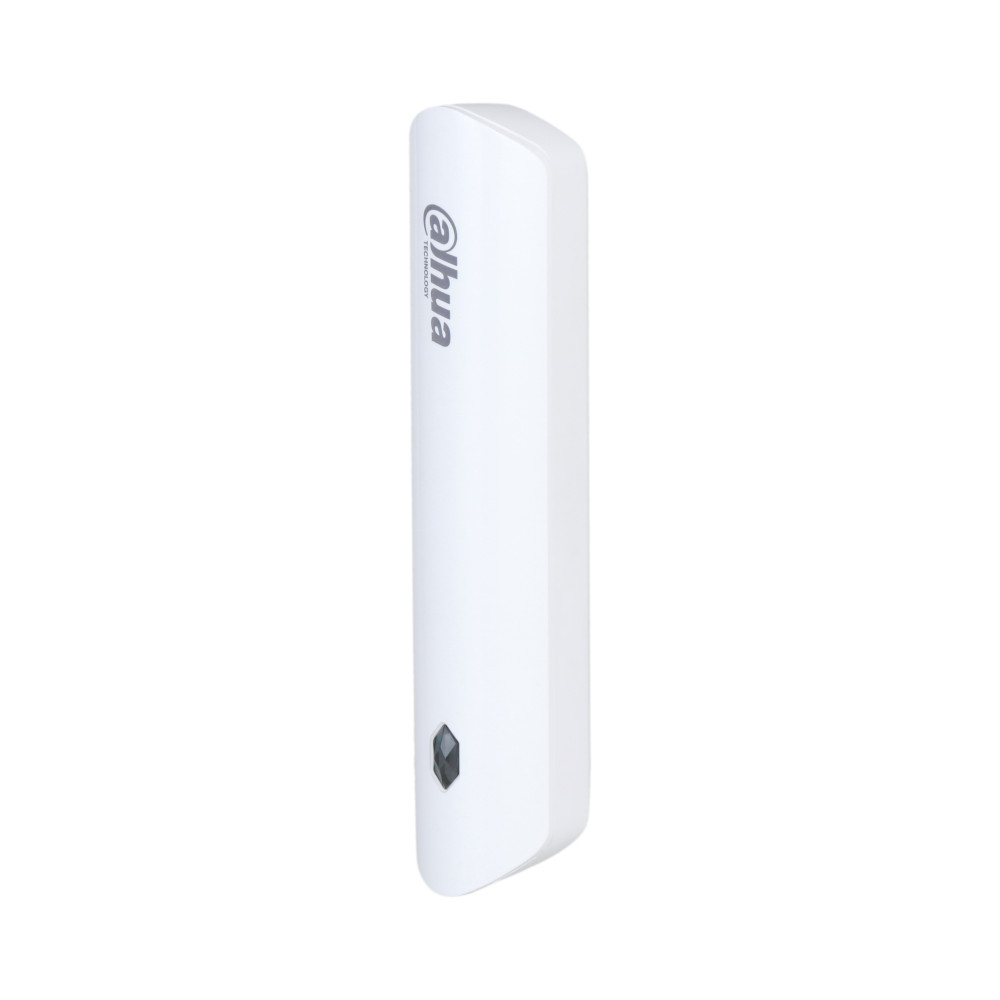
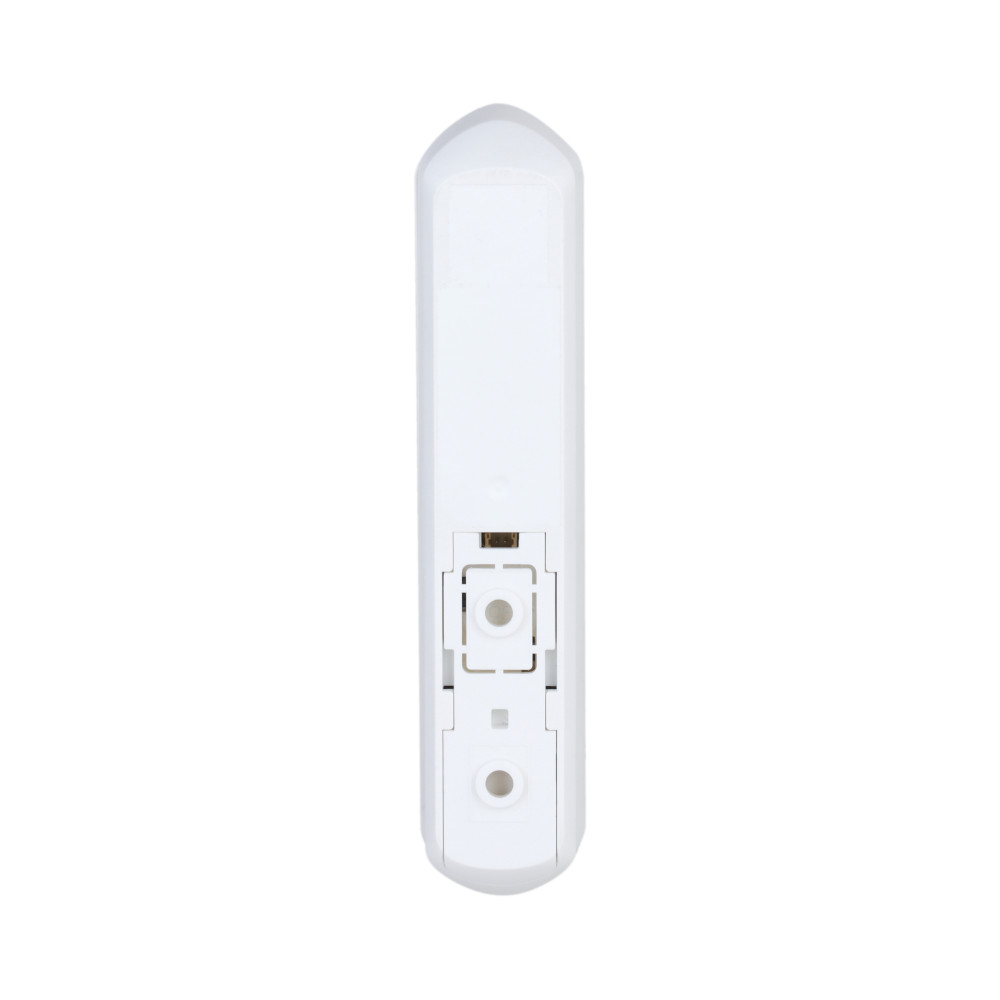
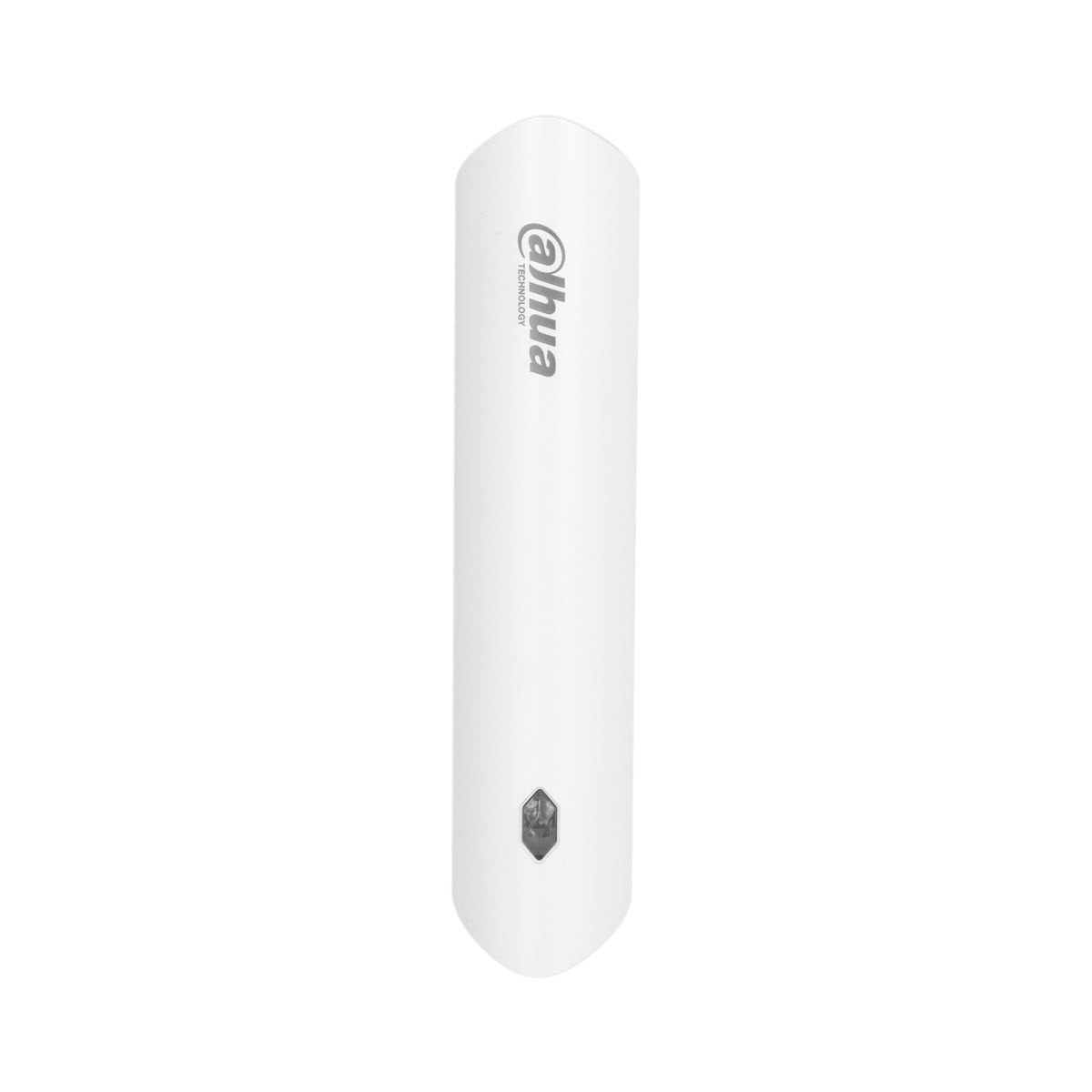
Technical specifications
| Connection | |
| Input | 1-channel dry contact input (NO or NC), for 1 wired detector |
| Alarm types | 6 (intrusion, medical, fire, emergency, gas, tamper) |
| Extra | Signal strength detection and test mode |
| Wireless | |
| Frequency | 868,0 to 868,6 MHz |
| Communication | Two-way, AES128 encrypted, with frequency hopping |
| Range | Up to approx. 1,200 m in open field |
| Maintenance | Cloud updates with automatic recovery |
| General | |
| Power supply | 1x CR123A battery, up to 4 years (NO) or 2 years (NC/pulse) |
| Temperature monitoring | -15 to +65 °C (±1 °C) |
| Dimensions | 100.2 × 20.8 × 20.3 mm, 70 g |
| Housing and mounting | PC + ABS, bracket mounting |
| Certification | CE |
| Model | Dahua ARM310-W2(868) |
Which interface module suits you?
Do you want to bring existing wired detectors or sirens into your AirShield system? For 1 individual detector, the compact Input Expander is enough. The Transmitter connects individual external detectors with a tamper input. For many zones at once, choose the Multi-Transmitter, or the PoE variant if you prefer a neat connection via a network cable.
| Model | Inputs | Outputs | Connection | Power supply | Ideal for |
|---|---|---|---|---|---|
| Input Expander | 1 wired zone | None | Wireless 868 MHz | 1x CR123A-batterij | Make 1 individual wired detector wireless |
| Transmitter | 2 (alarm + tamper) | 3.3 V auxiliary output | Wireless 868 MHz | 3x CR123A-batterij | Pair separate external detector(s) |
| Multi-Transmitter | 16 zones | 4 relays | Wireless 868 MHz | 100-240 VAC + optional battery | Many wired zones and sirens |
| PoE Multi-Transmitter | 16 zones | 4 relays | 868 MHz or Ethernet | PoE or 100-240 VAC | Neat cabling via the network |
All four communicate wirelessly on 868 MHz with two-way communication and AES128, and connect to the AirShield hub. The Multi-Transmitters run on mains power; the Input Expander and Transmitter run on CR123A batteries.
Pairing and management
Everything in the DMSS app
You pair and manage this extension in the free Dahua DMSS app. There you can see the status, change settings and receive notifications on your phone. No subscription required, on iPhone and Android.
No AirShield system yet?
This extension works with the wireless AirShield hub from Dahua. Put your system together with the configurator, or have everything installed by our VEB-approved installers.
Frequently asked questions
Which alarm types can I set?
For each connected detector you choose one of six alarm types: intrusion, medical, fire, emergency, gas or tamper. This way the hub (and you, in the app) immediately knows what kind of alert it is, so an appropriate response is possible. You would connect a smoke detector as fire, for example, and a panic button as emergency.
Can I connect multiple detectors to this?
No, the Input Expander has 1 input for 1 wired detector. If you want to connect more, look at the Transmitter or the Multi-Transmitter (16 zones).
Does this work with my existing detector?
If your detector has a dry contact (NO or NC), you can connect it. Not sure about your model? Please ask us.
Do I need to run cables to the hub?
No. The connection to the AirShield hub is wireless on 868 MHz. You only wire the short run from the detector to the Input Expander.
In the box
AirShield Input Expander
The module itself.
Mounting bracket
For a neat installation.
Documentation
Manual.